Smart Watering for Wild Weather: Understanding La Niña
Have you noticed the weather acting a little moody lately? Maybe the rains stopped abruptly, or maybe they haven't stopped at all. It’s not just you. We all talk about the weather. It’s the ultimate small talk. But if you're someone who tends to your lawn or garden, it’s personal. When the forecast shifts, it shows up in the color of our grass and the health of our soil.
Recent headlines are buzzing with talk of “La Niña.” While it sounds big, scientific, and perhaps a little intimidating, you don't need a degree in meteorology to understand what’s happening. But what does a temperature shift in the Pacific Ocean mean for your backyard?
While La Niña brings unpredictable shifts, from potential droughts in the south to heavier rains in the north, it doesn’t have to spell disaster for your landscape. With The Intelligent Use of Water™ – Rain Bird’s guiding philosophy – and a bit of smart planning, your home’s landscape can thrive no matter what the forecast holds.
What is La Niña? (The Simple Explanation)
Think of the Pacific Ocean as a giant climate thermostat for the planet. During a La Niña event, that thermostat gets turned down.
Strong trade winds blow warm water away from the Americas toward Asia, allowing cold, nutrient-rich water from the deep ocean to rise to the surface off the coast of South and North America. This cooling of the ocean surface is massive enough to disrupt atmospheric pressure and steer storm tracks in new directions.
So, when you hear “La Niña,” it means the ocean is cooling down, and the atmosphere is reacting by shifting where the rain falls.
The Sibling Rivalry: La Niña vs. El Niño
It’s easy to get these two weather patterns mixed up, but they are essentially opposites. Think of them as siblings on a seesaw. When one goes up, the other goes down, and they rarely occupy the playground at the same time.
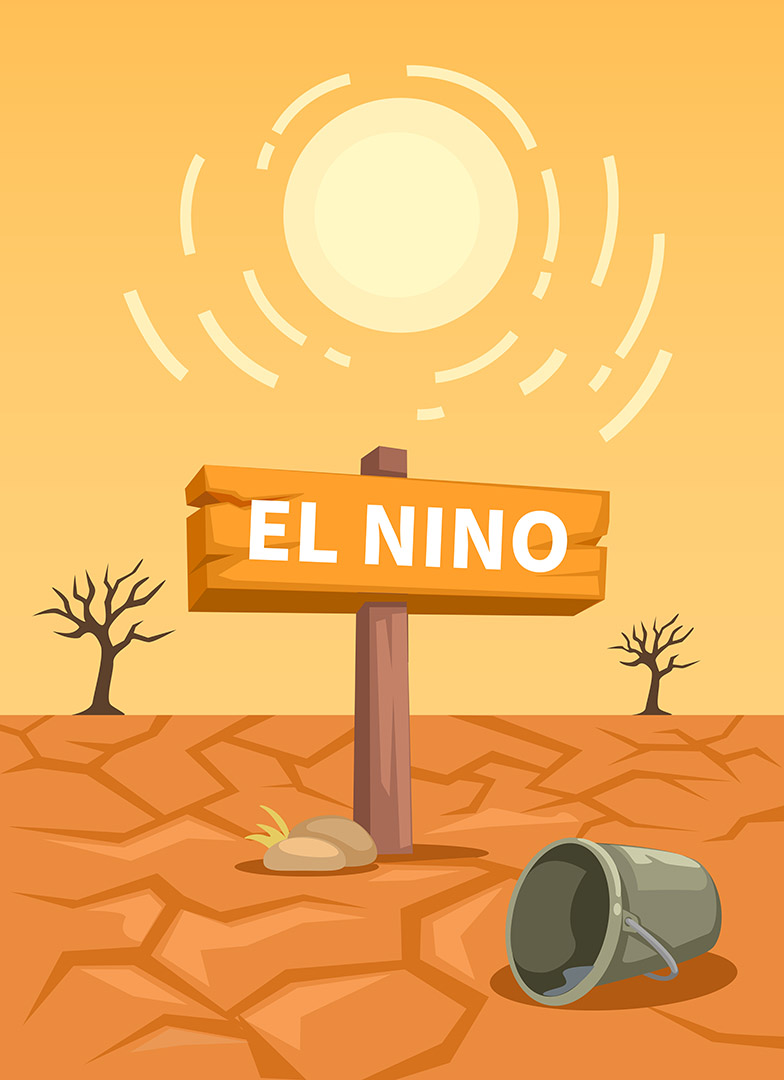
El Niño: The “Warm Phase”
This is the sibling that usually brings the heat to the ocean surface but often delivers wetter, cooler weather to the southern United States. When El Niño is around, the jet stream dips south, bringing storms to places that might usually be dry.
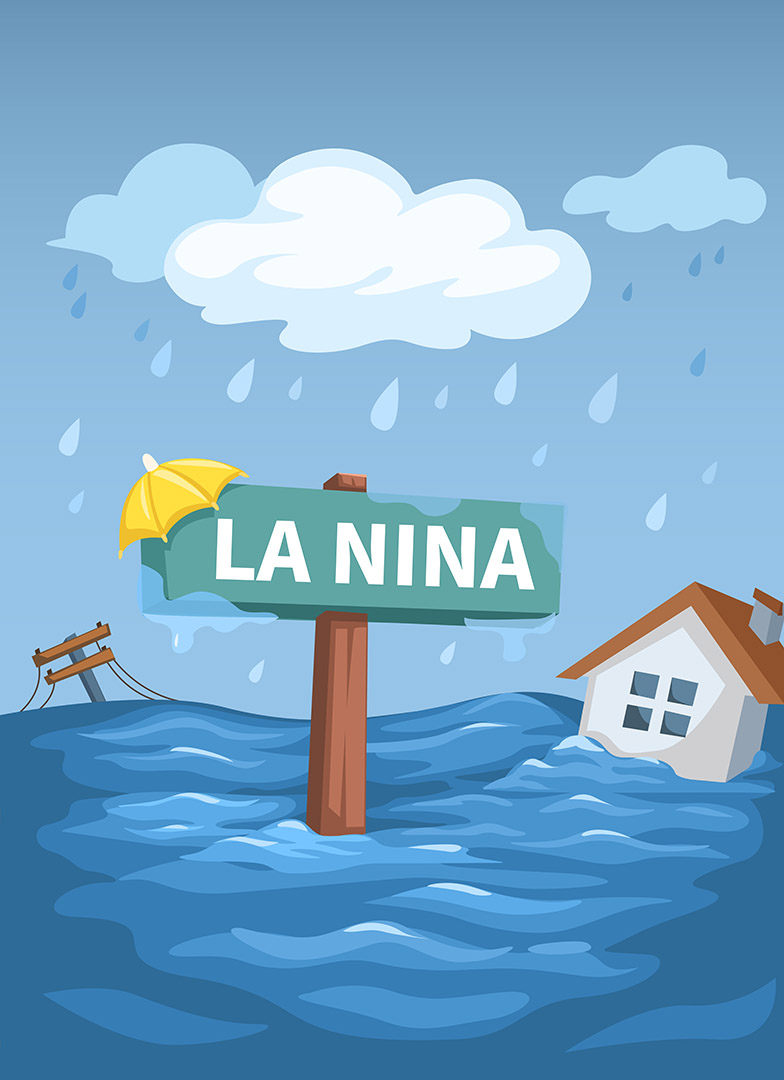
La Niña: The “Cool Phase”
La Niña flips the script. During these years, the jet stream is pushed further north. For the U.S., this typically means the southern tier, from California across to Florida, becomes warmer and drier. Meanwhile, the Pacific Northwest and the Ohio Valley often brace for wetter, colder winters.
Knowing which “sibling” is visiting helps us predict how thirsty our gardens are likely to be in the coming seasons.
The Global and Local Impacts
It is fascinating, if not a little humbling, to realize that cold water in the Pacific can change the price of vegetables at your local grocery store. But that is the reality of our connected climate.
When La Niña pushes the jet stream north, it creates a ripple effect. Globally, that might result in more hurricane activity in the Atlantic because the winds that usually tear storms apart are weaker. Locally, however, the impact hits our wallet and our watering schedule.
If La Niña brings drought to major agricultural areas in the Southwest or the Plains, farming becomes more expensive. Just as farmers must adapt their irrigation to save their crops, homeowners need to adapt their lawn watering routine.
In many southern regions, La Niña exacerbates existing dry conditions, making water conservation a necessity. The goal isn't just to keep the grass green. It’s to use finite water resources respectfully so there is enough to go around.
How to Manage La Niña
We can’t control the trade winds, but we can control how we respond to them. Adapting your landscape to La Niña doesn't require tearing out your landscaping or replacing your irrigation system. It just requires smarter water management.
Smart Technology does the work for you
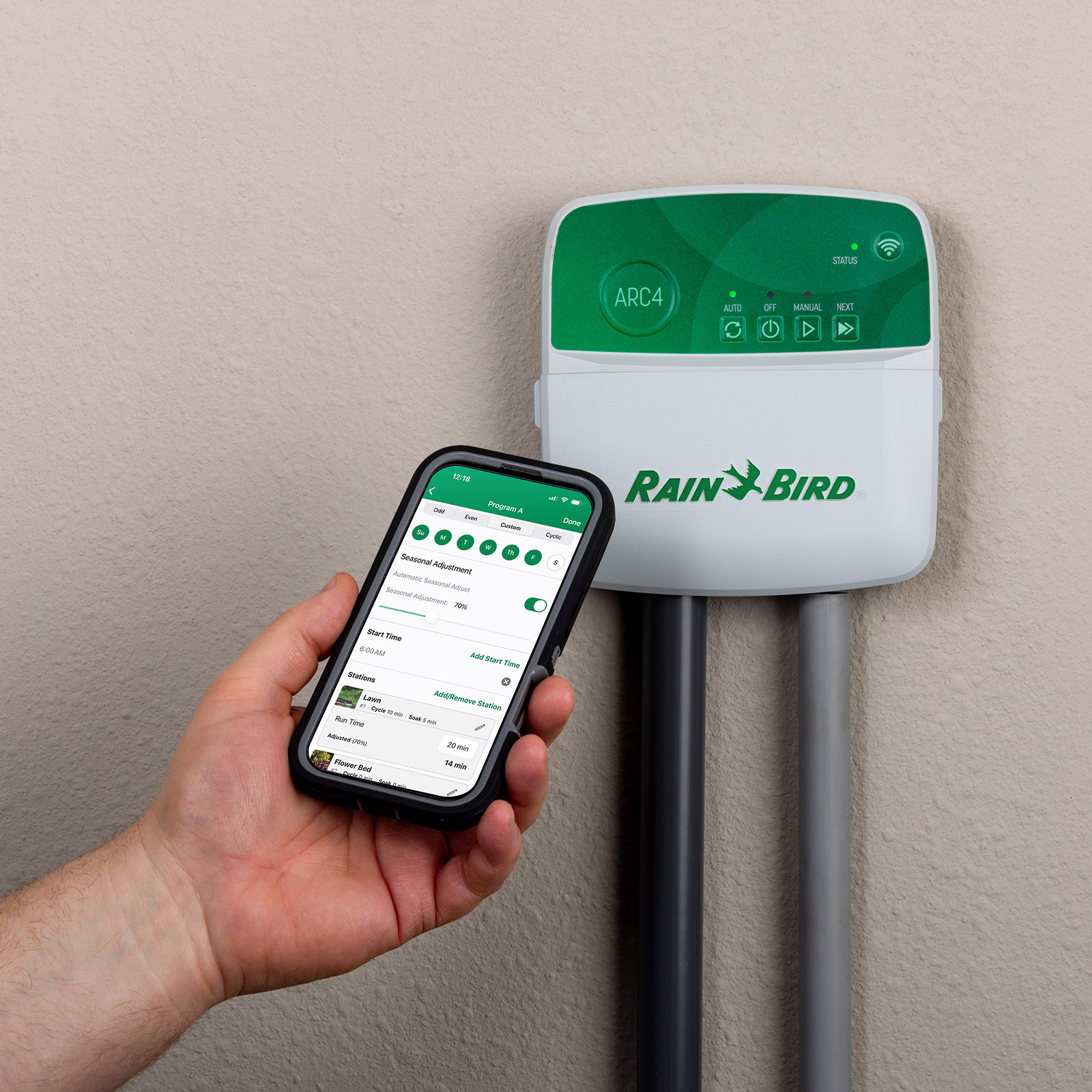
In the past, we would set our sprinkler timers at the start of the season and cross our fingers. Today, we have better options. Smart controllers, like Rain Bird’s ARC Series Smart Residential Controllers, act like personal weather stations for your yard.
These devices connect to local weather data (via Wi-Fi) and adjust your watering schedule automatically. If a La Niña rainstorm unexpectedly sweeps through the Pacific Northwest, the controller knows to skip a cycle. If a heatwave hits the South, it adjusts to give your plants the water they need. You save water (and money) by not watering when nature is already doing the job.
Check your system for efficiency
When water is scarce, every drop counts. In a La Niña-driven drought, a small leak can have a big impact on your water bill.
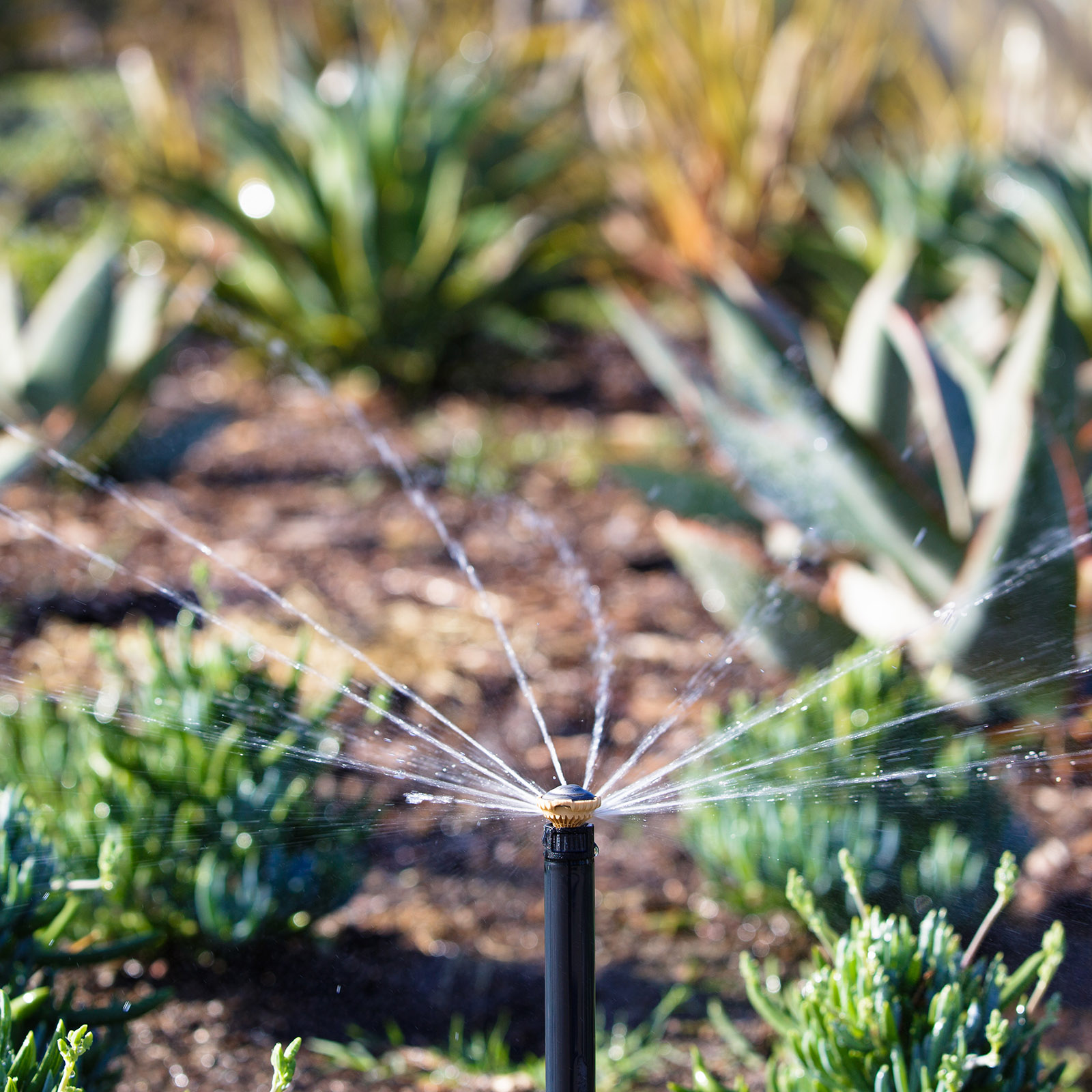
Take a Saturday morning to inspect your irrigation system. Look for broken rotors, misting (which means pressure is too high), or soggy spots that indicate leaks. If you are looking for an upgrade, consider switching to high-efficiency Pressure-regulating sprinklers, like Rain Bird’s RVAN High Efficiency Rotary Sprinklers. They deliver water in heavier streams that cut through the wind and reduce runoff, ensuring the water reaches the roots where it’s needed.
Focus on soil health
Your soil is the foundation of your garden’s resilience. During dry spells, you want your soil to hold onto moisture like a sponge.
- Mulch is your best friend. deeply mulching your flower beds acts like a blanket, keeping the soil cool and preventing moisture from evaporating into the dry air.
- Go Native. If you are adding new plants, look for varieties native to your specific growing region. Native plants have evolved to handle your local climate swings, whether that’s a dry La Niña summer or a wet El Niño winter, better than any exotic plant.
Grow something good, rain or shine
La Niña might bring challenges, from parched lawns in the south to soggy soil in the north, but it is also a reminder of why we care about water. It is a precious resource that connects us all.
By upgrading to smart technology and keeping our irrigation systems efficient, you can save money and help your community weather shifting forecasts.
If you aren’t sure your current system is ready for the La Niña season ahead, now is the time to check your settings or explore smart controller options. Rain Bird can help design a personalized yard design to make easy to plan your residential irrigation system, or refer you to a qualified local irrigation contractor.
